We have a BUSY spring birding schedule! So many birds to see, so little time!

The Centerton hatchery (=s shorebirds) trip is on Sunday April 25 (meet everyone at 9 AM at the hatchery). Then there is birder's weekend at Devil's Den State Park, with a field trip on Saturday May 1 (meet at the 170 bridge in the park at 9 AM) -- mostly birds of Boston Mountain forests. The following day, Sunday May 2, is LAKE FAYETTEVILLE with David Chapman -- often a big migration opportunity. Meet at 7 AM in the parking lot on the north end of the dam (near the bait shop). Here some details from trip leader, David Chapman:

Here are some further details on the NWAAS field trip to Lake Fayetteville on Sunday May 2nd. We will meet in the car park at by the dam (adjacent the bait shop) and briefly bird the dam area. We will then caravan to the environmental study center on the lake’s northshore. For latecomers who miss the carvan, turn onto Lakeview road (just north of the La Huerta Mexican restaurant) and proceed in an easterly direction about 1.5 miles. It will be necessary to park by the roadside where the road makes a sharp turn north to Springdale. The environmental study center is down a short gravel track. We will first bird the fishing pier and surrounding woodland (excellent for waterbirds and spring migrants) and then take the path eastward through the bottomlands and creeks and view these areas from the new iron bridge. The first part of this walk may be muddy if there has been recent rain. We will follow the new hard top trail around a circuit that will eventually bring us back
to the environmental center. We will walk a short section of the historic Old Butterfield Stage coach which the city has recently opened up to the public. We will pass through old fields and see the results of a recent burn conducted as part of a recent prairie restoration project. The scenery throughout this walk is exceptional and takes us through many habitats from mature woodland, scrub, old fields, and prairie, both wetland and dry habitats. Distance is about 1.5 miles and should take an hour or so depending upon how successful our birding! Anyone with walking impairs is completely welcome to move at a workable pace and go only as far as desired.
Friday, April 23, 2010
Birders find oppotunity knocking over coming weekends


Monday, April 19, 2010
Channel 5 covers Earth Day at WPWP on April 18, 2010
WPWP Earth Day 2010 covered by KFSM TV Channel 5 on April 18, 2010
Upcoming events involving Northwest Arkansas Audubon Society members
Besides the upcoming convention of Arkansas Audubon Society (in Hope, Friday April 30-May 2) with its numerous field trips & interesting lectures (check out the AAS web site for details), there are 4 immediately upcoming events in which Northwest Arkansas Audubon Society is involved. There are no charges, fees, etc for any of these events. All skills, interests, and mobility levels are welcome.

NWAAS is helping with the annual Birder's Weekend at Devil's Den State Park, including a casual & usually spring birdy walk on Saturday May 1, starting at 9 AM. I'm talking about/illustrating western birds in Arkansas in the evening at the park.

The following day, Sunday May 2, David Chapman will lead an outing to spring bird-rich Lake Fayetteville. Meet at the north end of the dam (near bait shop) at 7 AM. We'll bird this area, then drive down toward the Environmental Study Center.

NWAAS is also onboard Saturday May 8 and Sunday May 9 for International Migratory Bird days coordinated in Washington and Benton counties by Mike Mlodinow. We urge everyone available to participate. If you can help, please contact Mike: mamlod@hotmail.com.
Friday, April 16, 2010
Earth Day Festival began Friday night with Caring for Creation at Mount Sequoyah; Earth Day at World Peace Wetland Prairie from 1 to 5 p.m. Sunday, April 18, 2010, offers eduction and fun for all ages
Please click on image to ENLARGE for closer view of sample photos from WPWP.

PLEASE double-click the image to ENLARGE view and ENLARGE further with your computer's tools to read small type. For more about World Peace Wetland Prairie please see www.flickr.com/photos/7295307@N02/collections/ www.flickr.com/photos/7295307@N02/collections/
PLEASE double-click the image to ENLARGE view and ENLARGE further with your computer's tools to read small type.

MANY REASONS TO PROTECT LAND SUCH AS WORLD PEACE WETLAND AND PINNACLE PRAIRIE FOREVER:
World Peace Wetland Prairie is the riparian zone of a small stream that historically was fed by seep springs and rainwater from three directions when the first westward immigrants settled Fayetteville, Arkansas. World Peace Wetland Prairie has the deepest layer of dark, rich soil in its subwatershed because leaves and other vegetative matter accumulated as the flowing water slowed and soaked into the absorbent soil and enriched that soil. Pinnacle Foods Inc.'s mounded wet prairie to the west is the main source of clean water flowing to World Peace Wetland Prairie at this time. Before the railroad was built, water flowed off Rochier Hill to the northwest and from the prairie and savannah to the north of WPWP that has been replaced by fill dirt and paving for apartments. Water from the east and north slopes of the high land where Pinnacle Foods Inc. now sits flowed to WPWP along with all the water from the high ground near 15th Street, which moved north to WPWP before flowing east to the Town Branch of the West Fork of the White River. Such remnants of prairie help keep the water where it falls and recharge the groundwater. Like the many similar remnants of such prairie in our diverse geographical area, WPWP and Pinnacle Prairie are the surface manifestation of a significant bedrock fault. Such sunken wetland is a characteristic feature that appears above geological faults worldwide. The Karst map of Washington County Arkansas shows the WPWP watershed in red, meaning that it is a critical groundwater recharge area. Preserving such depressional wetland in our city is the least expensive way to reduce downstream flooding and siltation of our water supply. Hundreds of native plants grow. Many birds and other wildlife prosper on healthy wetland vegetation. And prairie vegetation sequesters carbon dioxide and cleans the ground water.


KEEP the WATER where it FALLS!

Wednesday, April 7, 2010
Scissor-tailed flycatcher (formerly Muscivoria forficata but now Tyrannus forficatus)
Please click on individual images to ENLARGE and see Scissor-tailed flycatcher on April 7, 2010.
Use live link to read about Oklahoma's state bird:


Use live link to read about Oklahoma's state bird:


Sunday, April 4, 2010
Bluejay busy feeding on north edge of World Peace Wetland Prairie
Please click on image to ENLARGE view of bluejay on April 4, 2010.


Saturday, April 3, 2010
April 10 and April 17 outings announced and described by Joe Neal; all welcome
There are two upcoming field trips of the bird-wildflower-All Of Nature- variety upcoming in the western Ozarks, April 10 & April 17. All are free & open to the public. Mis-information I typically share on such trips also comes free of charge. Casual and hopefully fun is the goal.

On Saturday, April 10, we are joining Joy Fox and others from Wattle Hollow Retreat Center, just north of Devil's Den State Park, for an exploration of the fine Boston Mountains forest, small farm, and stream environments.
www.wattlehollow.com
 You can meet the group along highway 170, where you turn into Wattle, at 8 AM for the leisurely & birdy stroll down to the retreat center. Or, if you sleep in, just get to the retreat center at 10 AM and we'll head down the hillside forests & creek. Pot luck lunch at noon. Here are directions to Wattle:

From Fayetteville take HWY 540 south to the Devil's Den exit at the West Fork exit #53. Turn right (west) towards the park, following HWY 170 (Devil's Den Road) signs for about 14 miles. At the sign that says" Devil's Den State Park, 4 miles, " continue on Hwy 170 another half mile, there will be a 'Wattle Hollow' sign on the left, just before the driveway (there is a stone cairn also on the left, and a small white house with mailboxes on the right). This is the meeting place at 8 AM. If you are in the 10 AM group, go left down the driveway; after 1 mile, take the (only) right fork in the drive which is well-marked, and continue to the end of the road.

Type Wattle Hollow Retreat Center into Google to explore Joy's web page.

On Saturday April 17, Northwest Arkansas Audubon Society hosts a field trip to Ninestone Land Trust in Carroll County.
sarawittenberg.blogspot.com/2009/05/ninestone-land-trust.html
 Meet at 9 AM. Everyone is welcome! You do not need to be an Audubon member or an experienced observer to participate. Lunch will be pot luck style, accompanied by the waterfalls, so bring your lunch or something to share.

There is a fine Ozark stream and exceptional habitat for birds, plants, and other species. Habitats: a series of fine waterfalls over sandstone kettles, Piney Creek, classical Ozark upland fields, sandstone glades, soaring blufflines (we’ll see them from on top and see them from below), stands of both mixed hardwood species and native shortleaf pines, and the Ozark birds and transients associated with the many different habitat types. This property is being preserved to protect its unique values.

Ninestone is located just south of Berryville, off highway 21, about one hour drive east of Fayetteville. Depending upon weather conditions, there could be several shallow creek crossings. If you have rubber boots (Muck boots, barnyard boots, etc), they might be helpful. The creek, a traditional body of water in the Ozarks, also gladly accepts tennis shoes & bare feet.

This field trip works quite well regardless of your mobility condition. If extensive walking & hiking doesn’t work for you, there is plenty of high quality scenery right where we park, at the home of Don Matt & Judith Griffith. The amazing waterfalls are easily seen there and heard as well. Piney Creek is just below, with its waterthrushes plus migrants passing through the Ozarks. So you don’t need to be very mobile to enjoy all of this, plus the big native pine grove and farm yard. This is all fun & fulfilling stuff to do while everyone else is “off to the woods & fields.” We’ll all rejoin for a pot luck lunch.

Directions to Ninestone:

1.For those coming from Berryville or north- directions from intersection of Hwy. 62 E & Hwy. 21 S just east of Berryville: From Hwy. 62 east of Berryville, take Hwy. 21 South for 10 + miles to the Cedar Creek Country Store on the RIGHT. IMMEDIATELY after the store & parking lot, turn RIGHT onto a gravel road. The gravel road is CR 512, but is not well marked, so just turn RIGHT immediately after the store. Do not cross the bridge over Cedar Creek! Continue on the gravel road for 1 MILE, staying to the LEFT at any choices.
You will pass 3 mailboxes on the LEFT, one is a large blue mailbox. Continue on to our log cabin on the LEFT.

2.For those coming from Fayetteville or south- directions from intersection of Hwy. 412 & Hwy. 21 N: From Hwy. 412 take Hwy. 21 North for about 7 + miles. Cross the Cedar Creek Bridge first & turn LEFT onto the gravel road (CR 512) before you get to the Cedar Creek Country Store on the LEFT. Continue on the gravel road for 1 MILE, staying to the LEFT at any choices. You will pass 3 mailboxes on the LEFT, one is a large blue mailbox. Continue on to our log cabin on the LEFT. Judith Griffith & Don Matt, Ninestone Land Trust,
870-545-3559 waterfall@hbeark.com.
Wednesday, March 31, 2010
John Bame and Fayetteville High School students look at old rail trestle and discarded rail ties blocking construction of city trail through old tunnel under existing Arkansas & Missouri Railroad
I might not have discovered this for some time had not John Bame brought some FHS students to World Peace Wetland Prairie and then taken them on a walk of the Pinnacle Prairie Trail and the part of Tsa-La-Gi Trail as yet uncompleted from the Hill Place Apartments through the old rail tunnel to the west to Razorback Road and beyond. Thanks to the environmentally aware students for caring and wanting to learn more about the delicate geography and geology of our city. Please click on image to enlarge view of railroad ties over mouth of tunnel and then watch video below the photo to learn reaction of workers when they learned that the ties should not be dumped there.
 Rail ties being dumped in mouth of tunnel in Fayetteville AR Aubrey james | MySpace Video The Fayetteville city trail administrator telephoned the railroad manager in Springdale an hour later and the railroad official confirmed that the ties were not to be dumped there but were to be dumped at Cato Springs Road. Rail ties are creosoted and very dangerous to human beings and other living things when the chemicals leach into the watershed.

Sunday, March 28, 2010


Thursday, March 25, 2010
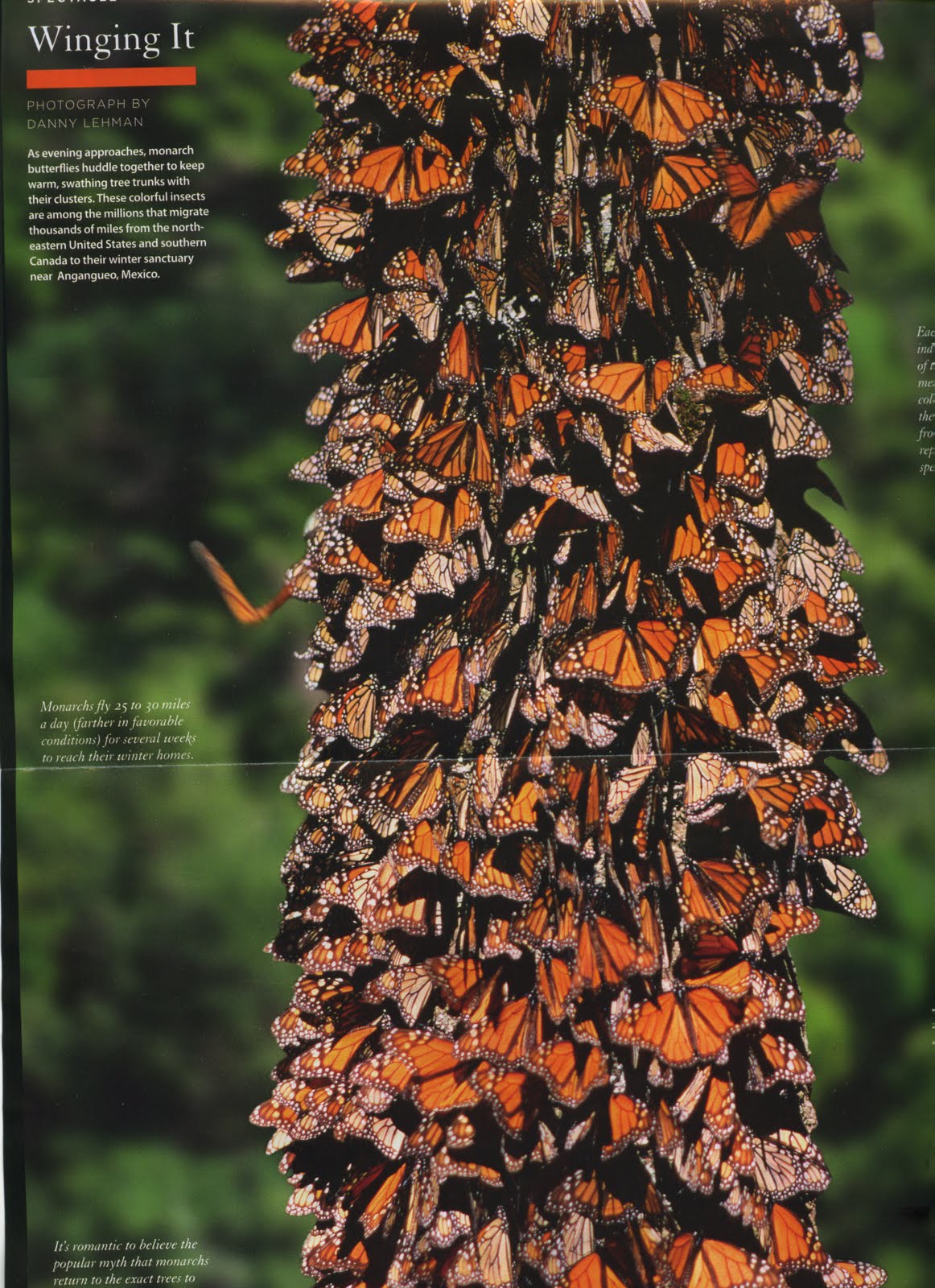
Audubon magazine says plant milkweed for monarchs or they may disappear
Audubon Magazine online Please click on image to ENLARGE for easier reading. If that isn't big enough, please use the zoom function on your tool bar to ENLARGE further.
 Image below is the front of a poster included in the most recent March-April 2010 issue of the Audubon magazine. The back of the poster is displayed above. The poster is worth the price of a year's membership in the National Audubon Society.

Monday, March 22, 2010
Restore clean-water act to original strength Now!
Please double-click "view as webpage" link near top right to see full post.
I would like to express grave concern over the loss of protection for many of our small streams that provide clean drinking water for 117 million Americans in communities across the country. Supreme Court decisions in the Rapanos and Carabell cases have made it confusing and burdensome for the U.S. Environmental Protection Agency (EPA) and U.S. Army Corps of Engineers to protect small streams and wetlands under the Clean Water Act.
As a result, enforcement actions against polluters have declined sharply the EPA estimates that over 1,000 cases have been shelved or dropped altogether. More recently it has become clear that some polluters are using the decisions as a justification to avoid any permitting and reporting requirements for discharging pollutants into our waters.
For the Clean Water Act to fulfill its goal of restoring the chemical, physical, and biological integrity of the nation's waters, all waters must receive protection corresponding with Congress' original intent when passing this landmark law. Upstream waters must be protected from pollution and destruction if we expect downstream waters to be fit for swimming, drinking, and fish and wildlife, and downstream communities to be safe from flooding.
I urge you to act in the interest of preserving clean water for healthy communities and wildlife. Please support introduction and passage of the Clean Water Restoration Act, which would clarify the definition of waters to eliminate uncertainty and ensure clean water in accordance with the goals of the Clean Water Act.
Thank you for your consideration.
 | ||||||||
 | ||||||||
 To contact American Rivers, email us at outreach@AmericanRivers.org. To contact American Rivers, email us at outreach@AmericanRivers.org.To update your profile or change your preferences click here. To unsubscribe click here. American Rivers ©2010 | ||||||||


I would like to express grave concern over the loss of protection for many of our small streams that provide clean drinking water for 117 million Americans in communities across the country. Supreme Court decisions in the Rapanos and Carabell cases have made it confusing and burdensome for the U.S. Environmental Protection Agency (EPA) and U.S. Army Corps of Engineers to protect small streams and wetlands under the Clean Water Act.
As a result, enforcement actions against polluters have declined sharply the EPA estimates that over 1,000 cases have been shelved or dropped altogether. More recently it has become clear that some polluters are using the decisions as a justification to avoid any permitting and reporting requirements for discharging pollutants into our waters.
For the Clean Water Act to fulfill its goal of restoring the chemical, physical, and biological integrity of the nation's waters, all waters must receive protection corresponding with Congress' original intent when passing this landmark law. Upstream waters must be protected from pollution and destruction if we expect downstream waters to be fit for swimming, drinking, and fish and wildlife, and downstream communities to be safe from flooding.
I urge you to act in the interest of preserving clean water for healthy communities and wildlife. Please support introduction and passage of the Clean Water Restoration Act, which would clarify the definition of waters to eliminate uncertainty and ensure clean water in accordance with the goals of the Clean Water Act.
Thank you for your consideration.
Sunday, March 21, 2010
Joe Neal shares his thoughts as a snowstorm slows waterfowl migrating north through the Ozarks
Geology I enjoy involves what we see & how it got that way, a distant past imagined. Massive roadcuts through once scenic mountains become opportunities to study the earth’s ancient history, rock layer after exposed rock layer.

On March 20, 2010, I’m thinking about this & migrating ducks, at the edge of a pond, in a cold rain with some sleet mixed & big snow promised, behind Walmart near I-540 in Benton County. I saw ducks on the pond while driving. I finally figured out how to get near them. Now, crouching under a golf umbrella, with cover provided by last year’s blackberry thicket, I have views of Canada Goose (2), Wood Duck (3), Gadwall (4), Mallard (2), Blue-winged Teal (8), Northern Shoveler (30), Green-winged Teal (5), Bufflehead (2), Pied-billed Grebe (5), American Coot (4), and 16 Ring-billed Gulls; in short, a small pond big with ducks & water birds.

These migrants are held up in their northward journey by a storm. I’m old enough to remember a past with celebrations of the vernal equinox here in the Ozarks of western Arkansas featuring snow up to the blooming daffodils. Now we have another. Today my yard is a white plain polka dotted by yellow trumpets.

In honor of this spring gift, I’m trying an angle novel for me on duck migration. Instead of endless Jeremiads of frustration against “growth” & “development” & the destruction of all nature straight & true, I’m determined to think like a geologist: imagine the way it was and see how we can go forward.

Back before our kind began our plunder in the 1820s, Blue-winged Teal had fewer choices to rest & loaf as they headed north through here. There were no true ponds & no lakes. Our grasslands in the western Arkansas Ozarks did have extensive low areas whose clay-rich soils held water. So around the vernal equinox, when came big rains & occasional deep wet snow, these low fields held scattered shallow pools of water, forming playas. Here’s where teal & their brethren weathered a spring storm.

In cold & sleet out behind Walmart & 540, I’m imagining how our landscape serves migrating teal, even as we plunder on. For northwest Arkansas, we could include the shallows of Lake Fayetteville & many other area lakes, older farm ponds midst open grasslands, the concentration of 16 fish ponds at the state hatchery in Centerton – all that sort of thing. Shallow pools created at Woolsey Wet Prairie in Fayetteville have been much favored by teal. The success of Woolsey – a project funded as mitigation for wetland loss – has spurred interest elsewhere in northwest Arkansas, as more natural habitat is lost to “growth” & “development” & planners seek opportunities to mitigate the ongoing habitat plunder.

These are some thoughts for the vernal equinox. As in the much distant past, there are Blue-winged Teal passing through western Arkansas and, thank goodness, many places to view them. A big old farm pond behind Walmart is not as romantic as a rain & snow filled playa, but the real teal are out there, resplendent in spring plumage, indomitable in their quest for the future.
Friday, March 12, 2010
World Peace Wetland Prairie spider milkweed, false indigo bush, dogbane, blue-eyed grass and cottontail rabbit photographed on May 21, 2009
Please click on individual images to ENLARGE view of a sample of what you won't see on Earthday at World Peace Wetland Prairie but may see again if you visit in May. Native wildflowers and tall grass emerge later than the typical nonnative species found in many gardens in Arkansas.
 Photo above reveals view northwest with Amorpha fructicosa bush in bloom. Also known as false indigo or indigo bush on May 21, 2009, at World Peace Wetland Prairie.
  Cottontail rabbit reluctant to leave his grazing area and hoping photographer will back away on May 21, 2009, at World Peace Wetland Prairie.
  In photo above, the tiny blue-eyed grass is seen growing near a tall dogbane or Indian Hemp plant.
  Above, Asclepias viridis, also known as spider milkweed or antelope horns, is nearing full bloom. Viridis is the earliest of the milkweeds to bloom in Northwest Arkansas.
  Above is an instance of a tall dogbane or Indian hemp plant with a shorter spider milkweed at right. Dogbane seems always to pop out of the ground before the milkweed and the leaves of the two are similar. Both are plentiful at World Peace Wetland Prairie. For more photos of wildflowers at WPWP, please see WPWP wildflowers

 Cottontail rabbit reluctant to leave his grazing area and hoping photographer will back away on May 21, 2009, at World Peace Wetland Prairie.

 Above is an instance of a tall dogbane or Indian hemp plant with a shorter spider milkweed at right. Dogbane seems always to pop out of the ground before the milkweed and the leaves of the two are similar. Both are plentiful at World Peace Wetland Prairie. For more photos of wildflowers at WPWP, please see WPWP wildflowers
Monday, March 8, 2010
Friday, March 5, 2010
KUAF on Sunday is to air report on February woodcock outing
Joe Neal reports: http://www.kuaf.org/ozarksatlarge.html
I received the message below from Jacqueline Froelich at KUAF. She went out on our NWAAS woodcock field trip February 20:

"My story on the American Woodcock dance party will air Sunday March 7th on our weekend news magazine, "Ozarks At Large" at 9am. I will post the story on our website on Sunday at KUAF.com...And thanks very much for allowing me to tag along with the bird enthusiasts!! I really enjoyed it. And learned a great deal!"
http://www.kuaf.org/listenlive.html
The Listen Live button is the place to go at 9 a.m. Sunday. The top link may also work at that time but it is the archive where the show will appear later if you miss it live.
Thursday, March 4, 2010
Hawk surveys Pinnacle Wet Prairie for prey on sunny day
Walking Pinnacle Prairie Trail at the end of Twelveth Street southwest of World Peace Prairie offers wildlife views. Please click on images to ENLARGE view of hawk on March 4, 2010,


Tuesday, March 2, 2010
72 Hours for American Clean Energy!
Call Your Senators Tuesday, Wednesday or Thursday
Dear Aubrey,
Urge your U.S. Senators to pass comprehensive energy and climate legislation now.
Rising sea levels. Stronger storms. Melting ice caps. Less wildlife. Birds shifting their ranges — if they can.
This doesn't have to be our future — or our legacy.
With leadership from the Senate, we can change our future. Please join with millions of Americans and call your Senators today. Our planet is in peril and we need the Senate to act on passing comprehensive clean energy and climate change legislation this year.
Please call your Senators now. We want to make sure the Senate understands the urgency to get moving on climate legislation NOW. It will only take a few moments and every call is important. Every call will make our point loud and clear.
Today, we are joining with dozens of organizations representing millions of Americans, calling on the U.S. Senate to pass comprehensive clean energy and climate legislation. We can't let special interests and a few Senators who want to stop this bill sink our chances for a better future for our children and the wildlife we speak for.
Take action with our step by step instructions and simple message. These measures will help create jobs, get us off foreign oil and secure our nation and our future. Tell your Senators you want comprehensive energy and climate change legislation now.
Do you know someone else who cares about protecting our future? Help us to spread the word:
Tell-a-friend!
Trouble with the "Take Action" links in the message? Try cutting-and-pasting this link into your web browser: www.audubonaction.org/ClimateCalls
Audubon
1150 Connecticut Avenue NW, Suite 600, Washington, DC 20036
(202) 861-2242 | audubonaction@audubon.org
Update your profile | Modify your email preferences or unsubscribe
Call Your Senators Tuesday, Wednesday or Thursday
Dear Aubrey,
Urge your U.S. Senators to pass comprehensive energy and climate legislation now.
Rising sea levels. Stronger storms. Melting ice caps. Less wildlife. Birds shifting their ranges — if they can.
This doesn't have to be our future — or our legacy.
With leadership from the Senate, we can change our future. Please join with millions of Americans and call your Senators today. Our planet is in peril and we need the Senate to act on passing comprehensive clean energy and climate change legislation this year.
Please call your Senators now. We want to make sure the Senate understands the urgency to get moving on climate legislation NOW. It will only take a few moments and every call is important. Every call will make our point loud and clear.
Today, we are joining with dozens of organizations representing millions of Americans, calling on the U.S. Senate to pass comprehensive clean energy and climate legislation. We can't let special interests and a few Senators who want to stop this bill sink our chances for a better future for our children and the wildlife we speak for.
Take action with our step by step instructions and simple message. These measures will help create jobs, get us off foreign oil and secure our nation and our future. Tell your Senators you want comprehensive energy and climate change legislation now.
Do you know someone else who cares about protecting our future? Help us to spread the word:
Tell-a-friend!
Trouble with the "Take Action" links in the message? Try cutting-and-pasting this link into your web browser: www.audubonaction.org/ClimateCalls
Audubon
1150 Connecticut Avenue NW, Suite 600, Washington, DC 20036
(202) 861-2242 | audubonaction@audubon.org
Update your profile | Modify your email preferences or unsubscribe
Owl slide show March 7 and Shores Lake field trip March 27 highlights of the month
The next Northwest Arkansas Audubon Society field trip is on Saturday March 27, 2010. This is an outstanding opportunity to go birding in mature shortleaf pine habitat (and also mature hardwoods) in the Shores Lake area of Ozark National Forest. It is also a unique opportunity to go with trip leader Bill Beall, veteran birder from Ft Smith who had studied birds in western Arkansas for many decades. We will be seeking Brown-headed Nuthatches and other birds typical of pine forests. The Shores Lake area is one of the few spots in the Ozarks where these nuthatches still occur, but finding them is not assured. Meet at 9 AM at the Shores Lake picnic area entrance on the west side of the lake. You can show up earlier if you wish! We may try to do some car pooling from Fayetteville if anyone is interested. Shores Lake is just north of Mulberry. For more information, contact me at 479-521-1858.
Thursday, February 25, 2010
Dr. Doug James to present free slide show and lecture on hawks and owls at Nightbird Books on March 7
Northwest Arkansas Audubon Society will sponsor a special program on “Raptors: hawks and owls of Arkansas” on Sunday March 7, 4 PM at Nightbird Books, 205 W. Dickson Street in Fayetteville (bookstore phone: 479-443-2080). The slide and lecture will be presented by Doug James, a founder of Arkansas Audubon Society & professor at the University of Arkansas-Fayetteville. Doug is chief author of Arkansas Birds (U of A Press, 1986) and many technical articles. He has now taught ornithology and ecology to more than two generations of students, and he has been an inspirational leader of field trips throughout Arkansas, the United States, and overseas. He is also currently president of NWAAS. This will be a chance to hear Doug on a specialized topic in the relaxed & intimate setting of Nightbird Books, adjacent a deli that also serves bottled beer. There is no cost for the program. Everyone who attends will be part of a drawing for a bird book (field guide) of their choice from Night
bird, awarded at the meeting.
bird, awarded at the meeting.
Tuesday, February 23, 2010
Big white heron, mallard ducks flock together on the Illinois River when ponds in watershed were frozen
Please click on image to ENLARGE view of Illinois River waterfowl on January 6, 2010.


Wednesday, February 17, 2010
Joe Neal says woodcock outing set for 5:30 p.m. Saturday, February 29, 2010, at Wedington management area
This is a friendly reminder about the Northwest Arkansas Audubon Society-sponsored field trip to view mating rituals of American Woodcocks. We are meeting woodcock expert David Krementz of the UA-Fayetteville, at 5:30 PM, Saturday February 20, near the Ozark National Forest’s Wedington Small Game Management Area, west of Fayetteville and just east of Siloam Springs. Besides woodcocks, a highlight will be Dr Krementz’s guiding & explaining what’s going on. Road and bridge access from last year are repaired and little walking will be required. Please bring a flashlight (since we will be there until early dark) and a folding chair if you wish. I have previously sent out directions for the meeting place, but I’ll send them again if needed. Email me or call 479-521-1858 for more information.
Friday, February 12, 2010
Great Backyard Bird Count today through Monday: Click this headline for detail
Great Backyard Bird Count began today runs through Monday. Just received the Northwest Arkansas Audubon Newsletter in today's mail. Sorry for late notice.
For information go to Backyard Bird Count
For information go to Backyard Bird Count
Towhee sits for portrait 10 feet from fence of World Peace Wetland Prairie but finally goes for the corn on February 11, 2010
Please click on images to ENLARGE view of towhee on February 11, 2010, at World Peace Wetland Prairie.


Thursday, February 11, 2010
Close encounter with trumpeter swan: the Joe Neal report
JOE NEAL reports:
An astonishing bird day February 10, 2010, began when I went with Doug James to Holla Bend NWR for the release of Iowa-reared Trumpeter Swans. Karen Rowe of Arkansas Game & Fish has been working with Iowa Department of Natural Resources to move Trumpeters to Arkansas. This is part of a daring experiment called reverse migration imprinting. The idea is that young swans will use their instincts to return north for nesting and later, return south for the non-breeding season.
The ground was snow covered in Fayetteville when we left and snow covered at Holla Bend two hours later. I had my binoculars, but yikes (!) forgot my coat. Doug loaned me a light blanket, which I stuffed indecorously under my fuzzy shirt. When we got near the Arkansas River to the release site, Karen was rounding up folks to carry swans from cages to water’s edge. I was soon honored by a close encounter with Trumpeters -- 25-30 pounds of swan & it’s pleasantly warm down, in my arms.
You first must hold their feet tightly – web feet the size of my hands. You firmly hug ‘em to keep that 8-foot wing span closed. Then there is the famous trumpet, a very, very long neck, with an anxious, intelligent dark-eyed creature winding it around your neck, over your head, serpent-like, watching all, honking and hissing, way, way ready for release. Even standing in the snow and coatless, I was quite warm and fully employed hanging on to my swan!
When Doug and I worked on the book Arkansas Birds in 1986, there had been no certain Trumpeter records for the state since the early 1900s. Due to efforts by folks like Karen, Iowa DNR, and others, Trumpeters are coming back. For example, the flock now wintering each year at Magness Lake is a frequent topic of interest among birders in Arkansas.
In tough times with lots of bad news, it is easy to feel, as Mark Twain put it, that we are just “the damned human race.” Yet, 16 Trumpeters found their freedom in Arkansas yesterday. Maybe this is not a banner line for Fox News, but it fairly reflects our hopes and aspirations. We are willing to put our amazing brains to work to put right what, in the case of loss of our wintering Trumpeters, had in past years unintentionally gone wrong.
An astonishing bird day February 10, 2010, began when I went with Doug James to Holla Bend NWR for the release of Iowa-reared Trumpeter Swans. Karen Rowe of Arkansas Game & Fish has been working with Iowa Department of Natural Resources to move Trumpeters to Arkansas. This is part of a daring experiment called reverse migration imprinting. The idea is that young swans will use their instincts to return north for nesting and later, return south for the non-breeding season.
The ground was snow covered in Fayetteville when we left and snow covered at Holla Bend two hours later. I had my binoculars, but yikes (!) forgot my coat. Doug loaned me a light blanket, which I stuffed indecorously under my fuzzy shirt. When we got near the Arkansas River to the release site, Karen was rounding up folks to carry swans from cages to water’s edge. I was soon honored by a close encounter with Trumpeters -- 25-30 pounds of swan & it’s pleasantly warm down, in my arms.
You first must hold their feet tightly – web feet the size of my hands. You firmly hug ‘em to keep that 8-foot wing span closed. Then there is the famous trumpet, a very, very long neck, with an anxious, intelligent dark-eyed creature winding it around your neck, over your head, serpent-like, watching all, honking and hissing, way, way ready for release. Even standing in the snow and coatless, I was quite warm and fully employed hanging on to my swan!
When Doug and I worked on the book Arkansas Birds in 1986, there had been no certain Trumpeter records for the state since the early 1900s. Due to efforts by folks like Karen, Iowa DNR, and others, Trumpeters are coming back. For example, the flock now wintering each year at Magness Lake is a frequent topic of interest among birders in Arkansas.
In tough times with lots of bad news, it is easy to feel, as Mark Twain put it, that we are just “the damned human race.” Yet, 16 Trumpeters found their freedom in Arkansas yesterday. Maybe this is not a banner line for Fox News, but it fairly reflects our hopes and aspirations. We are willing to put our amazing brains to work to put right what, in the case of loss of our wintering Trumpeters, had in past years unintentionally gone wrong.
Tuesday, February 9, 2010
Birding trip to Trinidad now open to general public
JOE NEAL REPORTS:
Doug James requested that I post this information about a birding trip:
Doug James and Ragupathy Kannan have organized a biology student trip this
coming May to the Asa Wright Nature Centre in Trinidad, a nation in the
Caribbean. The Centre is a world famous destination for tropical birding.
The trip is coordinated by the combined University of Arkansas campuses in
Fayetteville and Fort Smith. The details given below is the text from the
fancy flier for the trip.
Students have not fill all the slots for the trip so now we are opening
the opportunity to the general birding public in Arkansas.
You will have to go through the motions of registering as a student at the
University of Arkansas in Fort Smith. One hour credit is earned for just
participating in the trip. If you might want 2 or 3 hours credit, contact
Drs. James and Kannan for descriptions of added work required.
If you do not have a passport, application forms are available at the
local Post Office. If you need to hasten the process that can be
requested.
*TROPICAL FIELD BIOLOGY -- MAY 2010*
*TRINIDAD, WEST INDIES*
*For University of Arkansas-Fort Smith and Fayetteville students*
*Apply for and register with University of Arkansas-Fort Smith*
*Course Name-- **SPECIAL TOPICS: TROPICAL FIELD BIOLOGY BIOL 420V (1-3
credit hrs.)*
*Credits can be transferred to UA Fayetteville as electives*.
See Dr.Kannan's article about last year's trip at:
http://asawright.org/visitors/course.html
*Course fee: $1500 (excluding tuition). Includes airfare, accommodation
and all meals at the Asa Wright Nature Centre.
*Dates: 9 to 15 May 2010 (five days plus two days for travel)
*Faculty leader: Dr. R. Kannan (UA Fort Smith). Dr. Douglas A. James (UA
Fayetteville) will accompany if enrollment reaches 16 students.
*Deadlines: $1500 program fee February 26, 2010 (not refundable after
that date)
Register with UA Fort Smith and pay tuitio%yn (about $200/cr. hr)
by February 26, 2010
� Five days in the world famous Asa Wright Nature Centre, one of the
world�s best and well-known birding destinations
� Over 50 tropical bird species right from the veranda, including
about a dozen hummingbirds
� Daily hikes into the rainforest to observe and study exotic
tropical flora and fauna with trained local naturalist guides
� A trip to the caves to see the unique oil birds
� Boating among mangrove forests at dusk to view the spectacular
aggregation of hundreds of scarlet ibises
� A night trip to a secluded beach to see the ancient ritual of
1000-pound leatherback sea turtles nesting
� Resort style accommodations with sumptuous local food served
buffet-style
*Additional expenses: Travel health insurance required for the
duration of the trip (obtained on line by each participant)
It is advisable, but not required, to take vaccinations as
recommended by CDC (check www.cdc.gov)
*Biology majors will enjoy first priority; a waiting list of others will be
compiled to fill any vacant slots; all must register for the course at UA
Fort Smith. (There are now vacancies)
FOR REGISTRATION FORMS AND MORE INFORMATION: Dr. Douglas James (UA
Fayetteville) 575-6364; Dr. R. Kannan (UAFS) 788-7616.
James, Kannan
Doug James requested that I post this information about a birding trip:
Doug James and Ragupathy Kannan have organized a biology student trip this
coming May to the Asa Wright Nature Centre in Trinidad, a nation in the
Caribbean. The Centre is a world famous destination for tropical birding.
The trip is coordinated by the combined University of Arkansas campuses in
Fayetteville and Fort Smith. The details given below is the text from the
fancy flier for the trip.
Students have not fill all the slots for the trip so now we are opening
the opportunity to the general birding public in Arkansas.
You will have to go through the motions of registering as a student at the
University of Arkansas in Fort Smith. One hour credit is earned for just
participating in the trip. If you might want 2 or 3 hours credit, contact
Drs. James and Kannan for descriptions of added work required.
If you do not have a passport, application forms are available at the
local Post Office. If you need to hasten the process that can be
requested.
*TROPICAL FIELD BIOLOGY -- MAY 2010*
*TRINIDAD, WEST INDIES*
*For University of Arkansas-Fort Smith and Fayetteville students*
*Apply for and register with University of Arkansas-Fort Smith*
*Course Name-- **SPECIAL TOPICS: TROPICAL FIELD BIOLOGY BIOL 420V (1-3
credit hrs.)*
*Credits can be transferred to UA Fayetteville as electives*.
See Dr.Kannan's article about last year's trip at:
http://asawright.org/visitors/course.html
*Course fee: $1500 (excluding tuition). Includes airfare, accommodation
and all meals at the Asa Wright Nature Centre.
*Dates: 9 to 15 May 2010 (five days plus two days for travel)
*Faculty leader: Dr. R. Kannan (UA Fort Smith). Dr. Douglas A. James (UA
Fayetteville) will accompany if enrollment reaches 16 students.
*Deadlines: $1500 program fee February 26, 2010 (not refundable after
that date)
Register with UA Fort Smith and pay tuitio%yn (about $200/cr. hr)
by February 26, 2010
� Five days in the world famous Asa Wright Nature Centre, one of the
world�s best and well-known birding destinations
� Over 50 tropical bird species right from the veranda, including
about a dozen hummingbirds
� Daily hikes into the rainforest to observe and study exotic
tropical flora and fauna with trained local naturalist guides
� A trip to the caves to see the unique oil birds
� Boating among mangrove forests at dusk to view the spectacular
aggregation of hundreds of scarlet ibises
� A night trip to a secluded beach to see the ancient ritual of
1000-pound leatherback sea turtles nesting
� Resort style accommodations with sumptuous local food served
buffet-style
*Additional expenses: Travel health insurance required for the
duration of the trip (obtained on line by each participant)
It is advisable, but not required, to take vaccinations as
recommended by CDC (check www.cdc.gov)
*Biology majors will enjoy first priority; a waiting list of others will be
compiled to fill any vacant slots; all must register for the course at UA
Fort Smith. (There are now vacancies)
FOR REGISTRATION FORMS AND MORE INFORMATION: Dr. Douglas James (UA
Fayetteville) 575-6364; Dr. R. Kannan (UAFS) 788-7616.
James
Saturday, February 6, 2010
OMNI Center for Peace, Justice and Ecology invites all to open house from 3 to 6 p.m. today
View Larger Map
OMNI Center for Peace Justice and Ecology opens new house to all TODAY!
Office Phone: (479)935-4422
omni.center.for.pje@gmail.com
“OMNI Center for Peace, Justice & Ecology
educates and empowers people to actively
build a non-violent, sustainable and just world.”
Saturday,
February 2010
3:00—6:00 PM
3274 N. Lee Ave
OMNI CENTER for PEACE, JUSTICE & ECOLOGY
You are invited to celebrate the dedication of
OMNI Center’s new building! Enjoy music, re-
freshments, good fellowship, speakers, and
tours! Learn more than 35 ways to be involved
in OMNI. Help build a culture of peace in an
earth restored, that includes everyone.
Children
Welcome!
Handicap
Access
Refreshments
Will Be
Served!
Open House!
Sunday, January 31, 2010
January 31, 2010, birds of World Peace Wetland Prairie searching for bare ground and free seed
Please click on individual images to ENLARGE view of assorted birds. Many more species are around today, such as red-winged blackbirds, bluejays, cardinals and many others whose names and photos are more difficult to collect.


Subscribe to:
Posts (Atom)
